Need garage door repair in West Valley City?
Request a callback to ask about a local provider for your garage door problem. Prefer to write? Use the request form and describe what the door is doing.
No obligation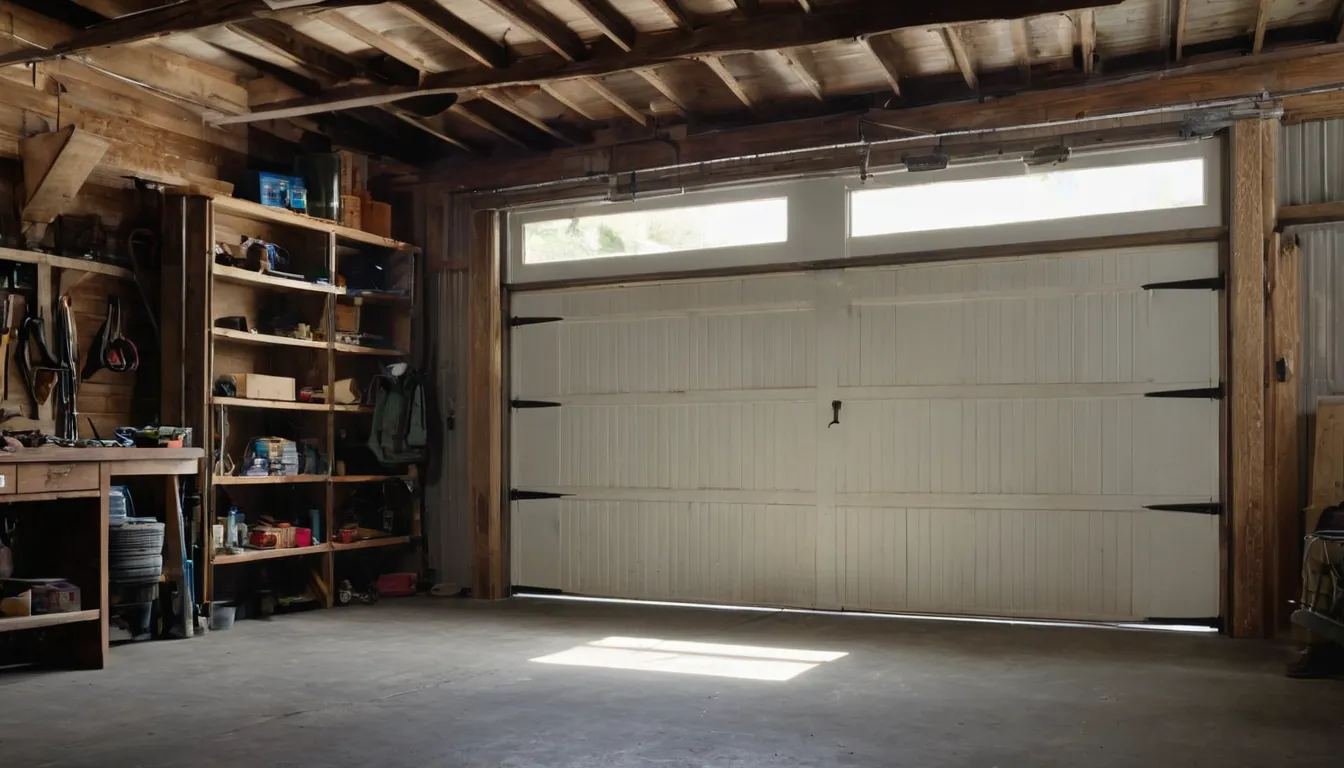
A stuck garage door can leave your car trapped or your garage open. Stop using it if it hangs crooked, drops, or makes a new grinding sound. Pagoyoigo Garage Doors is a referral service for homeowners who need garage door repair in West Valley City. Providers in our network inspect the door, explain the fault and handle any work you approve. You choose whether to proceed.
Older garages need a careful look before parts get swapped. Soft wood around a bracket, mismatched rollers or an earlier patch can change the repair. Ask the provider what failed and whether the surrounding parts can support the fix. A written estimate should name the work, parts and charges. Compare that scope with another estimate if you want more time to decide.
Keep people and pets away if the door hangs at an angle, has a loose cable or starts to drop. Do not stand beneath it or try to push it straight. Leave brackets, cables and springs alone. These parts can hold heavy loads. Avoid pulling the emergency release while the door is open or appears unstable. Tell the provider where the door stopped and whether anyone can safely enter the garage.
Request a callback to check provider availability for garage door repair in West Valley City. Describe whether the door is open, closed or caught halfway. Mention a trapped car or an exposed entrance. If you need emergency garage service, explain the safety concern before discussing an appointment. Pagoyoigo Garage Doors connects homeowners with independent local providers. The provider confirms scheduling, assesses the door and carries out approved repairs. You can also use the request form.
Say what happened just before the fault. Did the door strike an object? Did a roller come out? Does the motor run while the door stays still? A photo taken from a safe distance may help explain the issue. Include any recent repairs you know about. You do not need to name the broken part. Describe what you saw and heard without operating the door again to demonstrate it.
Old screw holes, added wood blocks and mixed hardware can affect how a repair holds. Ask the provider to inspect mounting points around the tracks and opener. A fresh bracket may need sound wood behind it. Painted trim can hide damage, and a previous patch may have shifted the load elsewhere. If hidden damage changes the job, ask for an updated written scope and price before more work begins.
Worn rollers, bent hinges and loose hardware can make a door bind or scrape. Track alignment may also need attention. The provider should check what caused the shift before adjusting the track. Loose fasteners or damaged supports may need repair too. Ask whether the proposed work addresses the cause of the rubbing. A door that moves again can still have wear that needs an explanation before you approve the scope.
An opener that hums, reverses or stops may have an electrical fault. It may also be struggling with a door that binds. From outside the door's path, check whether an object blocks the safety sensors. Do not bypass them or increase the opener force to push through resistance. Ask the provider to assess the door's movement before recommending a new garage door opener. Repair may remain an option, depending on the fault and available parts.
The opener depends on a door that moves with the right support. Poor balance can strain the drive and affect how the door travels. Leave balance checks to the provider when the door has a known fault. Ask whether balance testing is part of the visit and what the result means. If garage door spring repair is needed, have the provider explain that work separately in the estimate. Do not attempt spring adjustments yourself.
Weather can affect more than the door panels. Strong sun and dry air can age seals and wood. Snow near the threshold may block travel, while spring melt can leave moisture around lower framing. Hail dents may be cosmetic or may affect panel movement. Ask the provider which damage affects operation. If framing needs work outside the door repair scope, find out who should assess it and how that affects the repair order.
Look beyond the total price. Two estimates may cover different faults or use different parts. Ask each provider to list the repair, labor, visit charges and any disposal fees. Find out whether testing is included after the work. If one estimate includes several replacement parts, ask why each is needed. Keep a copy of the scope you approve. You can decline the work or take time to compare written estimates without obligation.
Ask what stays and what changes. A repair can make sense when the fault is limited and the remaining door is sound. Repeated failures, damaged sections or hard-to-find parts may change that choice. Have the provider explain the expected limits of the repair. If replacement comes up, request a separate estimate. You should be able to see what each option addresses before choosing a larger job.
Before approving work, ask how the provider will test travel, balance and safety features afterward. Discuss any noise or movement that may remain. Once the door is safe to use, follow its care instructions. Ask which parts need lubricant and which product fits the hardware. Keep objects clear of the tracks and sensor path. Save the repair record so a future provider can see what changed.
A local provider checks the reported problem and explains which parts may need attention.
The provider checks wear and attachment points before proposing adjustments or replacement parts for approval.
Ask whether the fault comes from the opener, safety sensors or resistance in the door.
Confirm which movement and safety checks the provider includes after the approved repair.
These are typical U.S. planning ranges, not quotes for your door. Parts, labor and access affect the total. Older mounting points can add work. Ask the provider for a written quote that lists visit charges and explains what each repair includes.
| Repair item | Typical U.S. range | What affects the price |
|---|---|---|
| Track adjustment or repair | $125 to $400 | Extent of damage and condition of mounting points. |
| Roller replacement | $100 to $250 | Roller type, quantity and access. |
| Hinge repair or replacement | $100 to $250 | Number of hinges and surrounding panel damage. |
| Safety sensor repair or replacement | $100 to $250 | Alignment, wiring condition and compatible parts. |
| Garage door opener repair | $100 to $350 | Fault, opener model and parts availability. |
| Bottom seal replacement | $100 to $250 | Door width, seal type and retainer condition. |
Request a callback to describe the door's position, the problem you noticed and any concern about access or loose parts.
Confirm availability, appointment details and any assessment charge directly with the provider before the visit.
Review the parts, labor and repair limits. Ask about changes involving older materials.
Approve work only when the scope makes sense. Keep the written estimate and repair record.
Pagoyoigo Garage Doors makes the connection. Independent providers assess your door, quote the job and carry out the work you approve.
The repair questions here account for worn wood, past patches and hardware that may have changed over time.
Use the listed parts and labor to see where estimates differ before choosing a provider.
Requesting a connection does not commit you to repairs. You decide whether the provider's proposed work fits your needs.
Request a callback to ask about a local provider for your garage door problem. Prefer to write? Use the request form and describe what the door is doing.
No obligationRequest a callback to ask about a local provider for your garage door problem. Prefer to write? Use the request form and describe what the door is doing.
No obligation